
Action Required: To play videos, please enable JavaScript or use a modern browser (Chrome, Edge, or Firefox).
Search

Winter Preparedness in Schools: Are You Ready for the Colder Months?

As the colder weather approaches, schools face a different set of health and safety challenges. Icy pathways, heating problems, severe weather and seasonal illnesses can all affect the safety and day-to-day running of a school. While some winter hazards are difficult to avoid, many can be managed with a little forward planning. Taking time to check your buildings, grounds and existing procedures now can help reduce risks, prevent unnecessary disruption and keep pupils, staff and visitors safe throughout the colder months.

So, what should schools be checking before winter sets in?
1. Prevent Slips, Trips and Falls

Wet leaves, rain, ice and snow can quickly turn everyday school routes into potential hazards. Entrances, playgrounds, steps and pathways are particularly vulnerable, especially during busy drop-off and collection times.

A few simple checks can help reduce the risk of accidents:
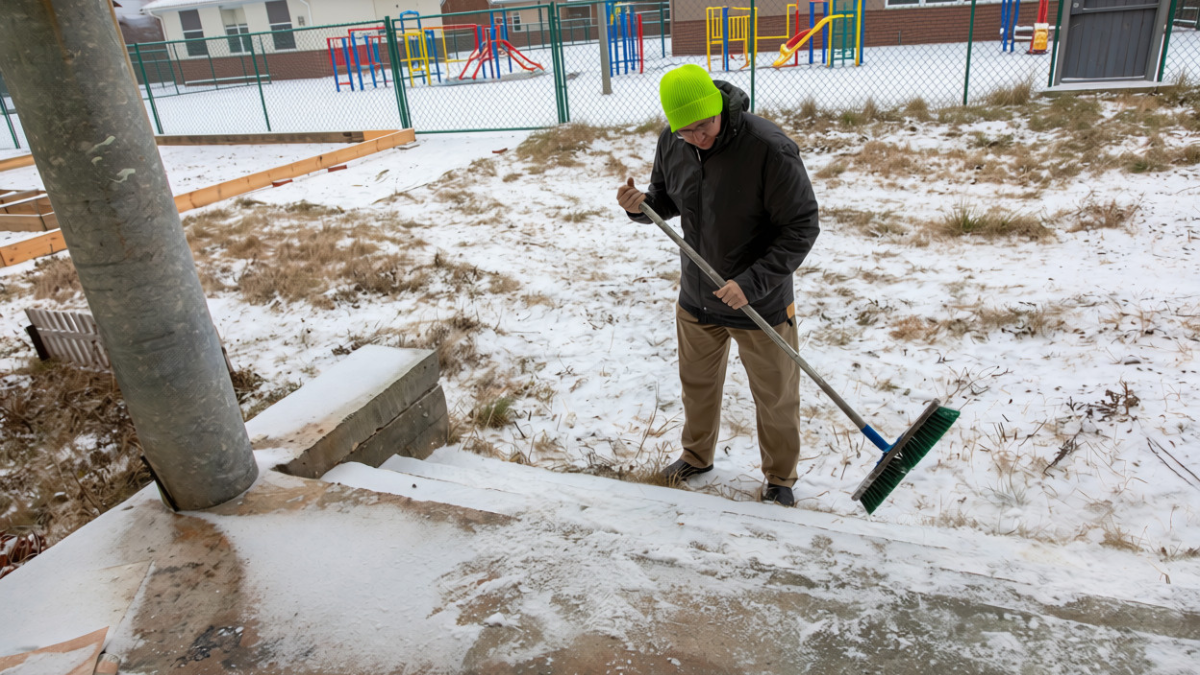
  • Inspect pathways, steps, playgrounds and entrances regularly.
  • Make sure grit supplies are available and priority gritting routes are identified.
  • Allocate responsibility for early morning inspections and gritting.
  • Clear fallen leaves and standing water wherever possible.
  • Check entrance matting to help prevent water being carried indoors

Top tip: Make sure there is a backup arrangement for gritting and site inspections if your usual caretaker or site manager is absent.

2. Check Heating Systems

Reliable heating is essential during the colder months. A heating failure can cause considerable disruption and may leave classrooms and other occupied areas unsuitable for use.

Before temperatures drop, consider whether your heating arrangements are ready:

  • Arrange boiler servicing and routine heating maintenance.
  • Check that classrooms and other occupied areas can maintain suitable temperatures.
  • Identify cold spots and report heating faults promptly.
  • Protect exposed pipework against freezing.
  • Establish what action should be taken if the heating fails during the school day.

Top tip: Make sure staff know how to report heating problems and who to contact. Early reporting can help prevent minor issues from becoming bigger problems.

3. Inspect Buildings and Grounds

Cold weather, heavy rainfall and strong winds can quickly expose existing maintenance problems. A small defect that seems insignificant in autumn could become a more serious safety concern during winter.

Include the following in your seasonal site checks:
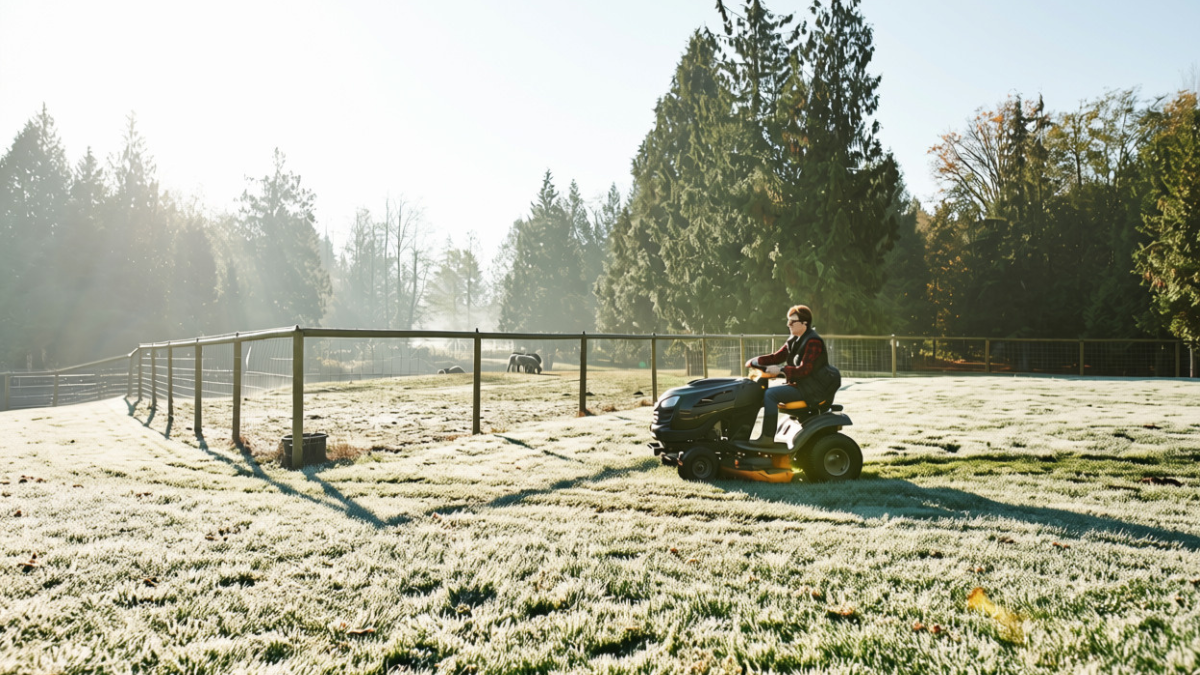
  • Clear gutters and drains to help reduce the risk of blockages and flooding.
  • Check roofs for visible damage or loose materials.
  • Inspect fencing, trees and external structures.
  • Test external lighting around entrances, pathways and car parks.
  • Check that doors and windows close properly.

Top tip: Record any defects identified and arrange repairs promptly. Keeping on top of routine maintenance can help avoid more significant problems when severe weather arrives.

4. Prepare for Severe Weather

Snow, ice, high winds and flooding can all affect a school's ability to operate safely. Having clear arrangements in place before severe weather arrives can make it much easier to respond quickly and consistently.

Schools should review their existing arrangements and consider:
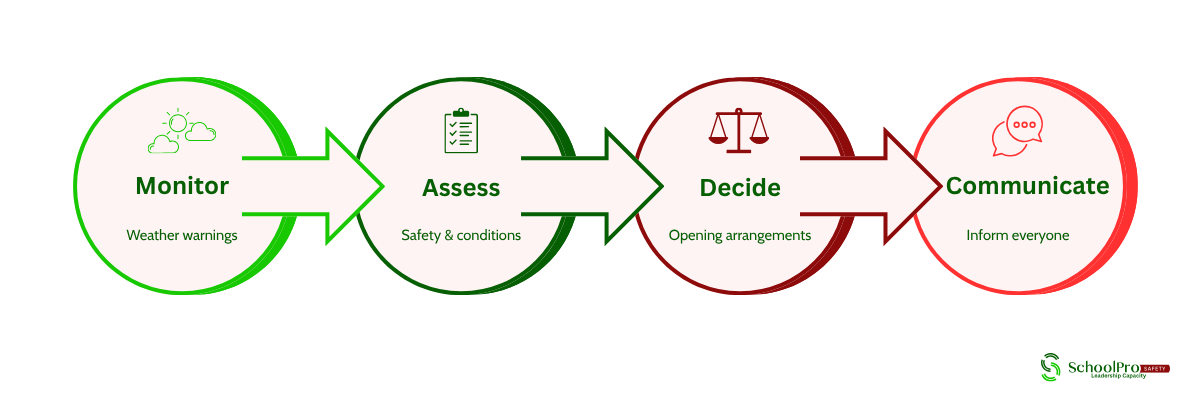
  • Whether severe weather and emergency closure procedures are up to date.
  • How Met Office weather warnings and local travel conditions will be monitored.
  • Whether parent and staff contact details are current.
  • Who is responsible for making closure or delayed-opening decisions.
  • How staff shortages might affect supervision and the safe operation of the school.

5. Review Fire Safety Arrangements

Winter can introduce additional fire safety considerations, particularly with increased heating use and potentially more difficult outdoor conditions.

Take the opportunity to check that your fire safety arrangements remain suitable:

  • Keep emergency exits and external escape routes clear.
  • Check emergency lighting and fire alarm testing arrangements.
  • Assess the suitability and safe use of portable heaters before introducing them.
  • Consider how pupils will be kept warm following an evacuation.
  • Review evacuation arrangements for pupils who may require additional assistance.

Top tip: Think beyond getting everyone safely out of the building. If pupils cannot immediately return inside, where will they go and how will they be kept warm?

6. Reduce the Spread of Winter Illnesses

Colds, flu and other seasonal illnesses can spread quickly in busy school environments. Maintaining good hygiene and cleaning routines can help reduce the spread of infection and support a healthier school environment.

Consider whether your existing arrangements are working effectively:

  • Encourage regular handwashing and good respiratory hygiene.
  • Maintain appropriate cleaning routines, particularly for frequently touched surfaces.
  • Ensure toilets have sufficient soap and hand-drying facilities.
  • Maintain effective classroom ventilation while keeping occupied spaces comfortable.
  • Follow current public health guidance when managing infectious illnesses

Top tip: Don't overlook ventilation during winter. Fresh air remains important, even when the heating is on. Consider how classrooms can be ventilated effectively without unnecessarily compromising comfort.

7. Check That Everyone Knows Their Responsibilities

Winter preparedness isn’t just about inspecting buildings and stocking up on grit. It is also about making sure the people responsible for keeping the school safe understand what needs to happen and when.

Take a moment to review whether:

Staff know how to report hazards and maintenance concerns.

  • Responsibilities for inspections, gritting and emergency arrangements are clearly allocated.
  • Relevant procedures are accessible and understood.
  • Staff know what to do if normal arrangements cannot be followed.
  • Site checks, maintenance issues and actions taken are recorded appropriately.

Top tip: Don't assume everyone knows what to do. A quick reminder before winter arrives can help ensure that responsibilities are understood across the school.

Winter brings additional challenges for schools, but many of the associated health and safety risks are foreseeable and can be managed through sensible preparation. Taking time to review your site, check your equipment and revisit existing procedures now could help prevent accidents, reduce disruption and make a real difference to the safety of your school community.

Is your school winter-ready?

Now is a good time to complete those seasonal checks, review your arrangements and make sure everyone understands their responsibilities.

If you would like support reviewing your school's risk assessments, winter safety procedures or wider health and safety arrangements....

SchoolPro TLC is here to help

Choose your login:

Compliance Portal

Client portal access for subscribed school services and tools.

Data Protection, Health & Safety, Safeguarding, Data Analytics, Attendance, SEND Provision Mapping and more…!

Training Platform 

Access your online training, certificates and course progress.

Manage enrolment for Training Admin.